
The Weaver’s Thread and the Bard: Deloney’s Influence on Shakespeare
- Thomas Slaney

- Mar 24
- 3 min read
A companion reflection to The Gentle Third Craft and The Arc Beneath the Heart
This is not a claim of proof.
It is an invitation into a field of recurrence.
In the quiet corridors we have been walking — the land holdings of Stephen Slaney, the turf maze at Alkborough, the stone of Lincoln Cathedral — the weaver’s voice continues to echo through the Elizabethan moment.
Thomas Deloney (c. 1540–1600), the silk-weaver and ballad-writer from Norwich, never wrote for the professional stage.
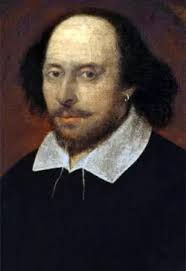
Yet his popular prose stories became raw material that helped shape the golden age of English drama — including the theatrical world in which William Shakespeare (1564–1616) worked.
The Weaver’s Prose Becomes Public MythDeloney’s The Gentle Craft (1597–c. 1598) is a warm, lively celebration of London trades, especially shoemakers.
It tells of humble craftsmen rising through skill and wit — most famously the story of Simon Eyre, the shoemaker who becomes Lord Mayor of London, and the noble brothers Crispin and Crispianus who disguise themselves as shoemakers to serve and protect.
These tales were not high literature; they were living, popular prose that spoke directly to ordinary Londoners.
In 1599, Thomas Dekker took two of Deloney’s core stories and turned them almost directly into his hit play The Shoemaker’s Holiday.
Dekker kept the Simon Eyre arc and the Crispin disguise romance, adding his own comic energy and vivid London colour.
Literary historians universally describe this as a close adaptation.
The weaver’s thread had become public myth on the professional stage.
The Shakespearean Moment
Dekker and Shakespeare were exact contemporaries, writing for the London theatres at the absolute peak of their creativity (late 1590s–early 1600s).
Dekker wrote for the Admiral’s Men, the great rival company to Shakespeare’s Lord Chamberlain’s / King’s Men.
They shared the same actors, audiences, printers, and cultural atmosphere.
Francis Meres, in his 1598 Palladis Tamia, listed both men among the finest playwrights of the day.
There is no surviving document proving Shakespeare read Deloney’s book or directly borrowed from it.
Yet the timing and the theatrical ecosystem make the connection feel alive in the field of recurrence.
Deloney’s celebration of the humble maker rising through craft, disguise, honour in labour, and social mobility entered the bloodstream of popular drama at the exact moment Shakespeare was writing plays that explore the same themes:
Henry V (the king who walks among common soldiers),
As You Like It (disguise and honest labour),
and Hamlet (the dignity of ordinary voices beneath courtly intrigue).
The weaver’s thread did not need to touch Shakespeare’s hand directly.
It only needed to enter the same living current of story that Shakespeare helped shape and amplify.
In that golden age, popular prose, ballad culture, and stage drama constantly fed one another.
The Gentle Third Craft in MotionThis is the pattern
revealing itself once more:
Stephen Slaney — the civic steward whose 1596 confrontation with Deloney activated the weaver’s voice through necessary tension.
Thomas Deloney — the weaver giving the artisan thread its public form in prose and ballad.
Thomas Dekker — the dramatist who took that thread and wove it into living myth on the stage.
The same theatrical ecosystem that carried Dekker’s adaptation also carried the work of Shakespeare — another vessel for the pattern of the maker who rises through craft and coherence.
From this Elizabethan hinge the function flows onward: into the sacred rhythm of Thomas and Benjamin Lany in the cathedrals, and finally into the modern listener who translates the same clean signal into music.
The name softens (Slaney → Laney).
The function changes vessel.
Yet the work remains: the quiet carrying of pattern through humility and coherence when the world outside is loud with distortion.
The tree carvings discovered in the ancient woodland corridors linked to Slaney — family charts, initials, and marks that appear to anticipate future generations — feel like the woodland’s long-term archive confirming the same corridor.
The place itself has been keeping the record.
What We Have NowWe have a living relay that moves from medieval oath through Elizabethan stewardship (Slaney and Deloney’s charged encounter) into public myth on the stage (Dekker and the Shakespearean moment) and onward into sacred continuity and modern translation.
Deloney did not need to sit beside Shakespeare for the thread to matter.
The weaver’s voice entered the theatrical bloodstream at the precise moment the pattern needed to be performed in public — another gentle hand-off in the Gentle Third Craft.
The arc beneath the heart is still beating.
The woodland is still whispering.
And the song that began in a weaver’s workshop is still being sung — one pause, one track, one act of coherent love at a time.
The maker returns not by claiming the centre,
but by walking the curve until the pattern appears.

Comments